What Best Describes Urban Working Conditions During the Late 1800s
Shortened travel between San Francisco and New York to a week. While the law of competition may be sometimes hard for the individual it is best for the race because it insures the survival of the fittest in every department.

Urbanization And Its Challenges Us History Ii Os Collection
What urban life was like during the late 1800s Urban planning reform movements.
. Most immigrants lived in rural areas with few other people around. 50 million worth of freight carried from coast to coast every year within ten years of its completion. Grew rapidly as people moved to urban centers.
Which of the following phrases best describes American society in the early 1900s. 24 Questions Show answers. A small wealthy class a growing middle class and a large class of working poor.
Others worked in coal mines steel mills railroads slaughterhouses and in other dangerous occupations. Which describes working conditions during the late 1800s. Which reason best explains why American cities grew in the late 1800s.
Which terms best describe urban life in the late 1800s and early 1900s. Laborers often worked for many hours and received an extremely low wage. Which statement best describes urban areas during the late 1800s.
Which of the following best explains why US cities became segregated by culture and ethnicity in the late 1800s and early 1900s. Between 1790 and 1900 cities in America. The total rural population decreased while the total urban population increased.
What statement BEST describes daily life in a factory in the early 1800s. Because unions fought to improve working conditions - Labor Conditions During the Second Industrial Revolution. Many workers faced low wages and high rents.
Use the information below to answer the question that follows. Led to the standardization of US. Which terms best describe urban life in the late 1800s and.
Working conditions in the 1800s were very poor. WORKING CONDITIONS and CHILD LABOR in the LATE 1800s and EARLY 1900s WORKING CONDITIONS IN FACTORIES Many workers in the late 1800s and early 1900s spent an entire day tending a machine in a large crowded noisy room. Shrank as rural areas became more popular.
Grew rapidly as people moved to urban centers. Shrank as people began moving to the suburbs. Laborers were given many benefits especially women and children workers.
Which of the following best summarizes the living and working conditions of the urban poor at the turn of the twentieth century. Laborers were paid equally without consideration of their race or gender. Which of the following best describes the segregation in cities in the late 1800s and early 1900s.
Which describes working conditions during the late 1800s. We dont have your statement options but if you have something close to bad living conditions low pay long hours whole. Completed in 1869.
Grew slowly as they industrialized. Which conditions explain why there were so many working poor in the Industrial Age. New immigrants tended to be unskilled workers.
Businesses such as factories and mining companies required extensive working hours. We accept and welcome therefore. The incident at the Triangle Shirtwaist Factory led to the _____.
Children were often expected to work in very poor conditions as well. Laborers worked long days but were provided with a safe working environment. Which of the following best summarizes the living and working conditions of the urban poor at the turn.
The average shift would last 12 to 14 hours long with extra time added on during peak business periods. During the late 1800s the Chinese immigration rate dramatically. Which best describes the living conditions of most immigrants during the Industrial Revolution.
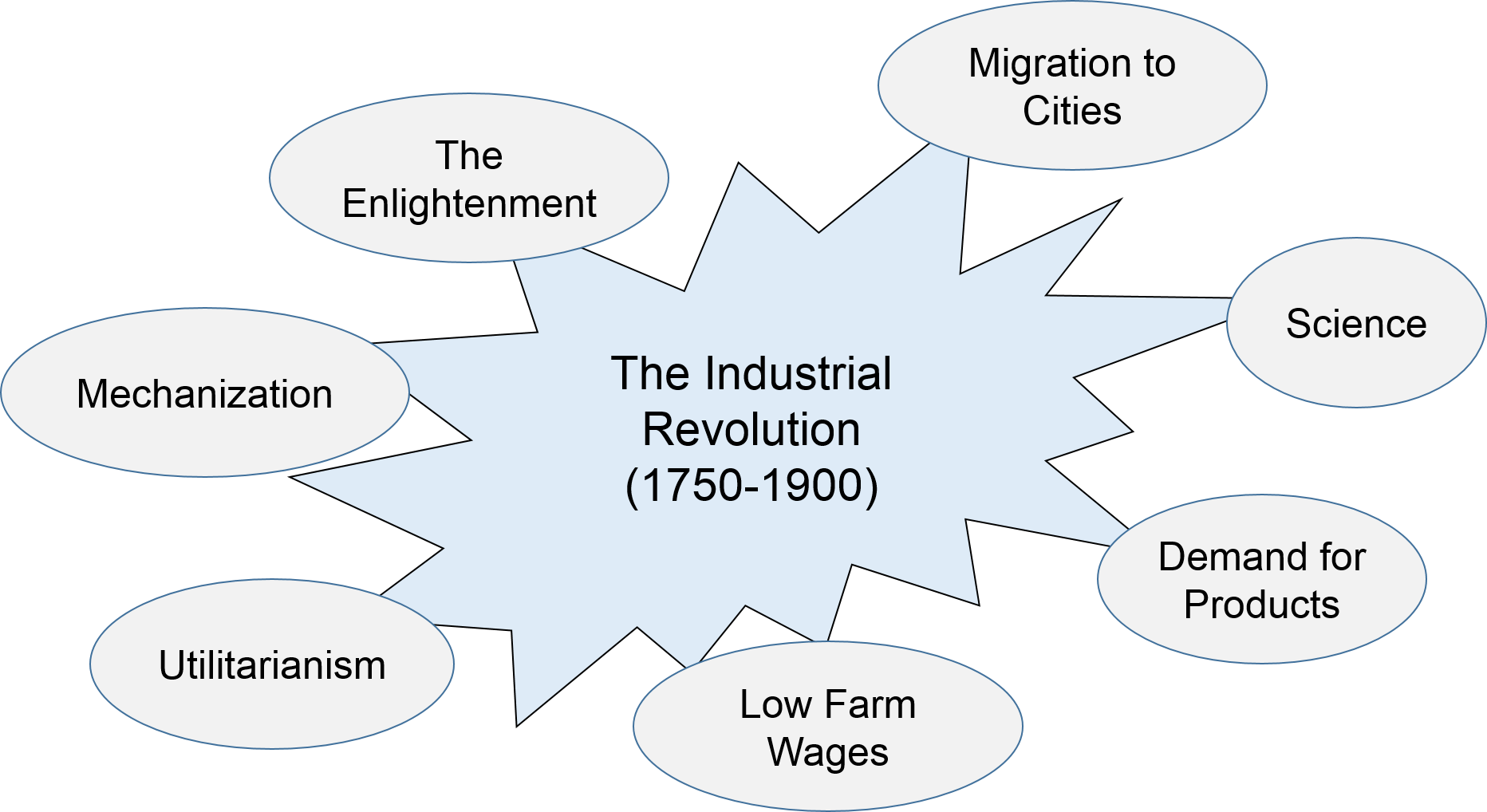
The Industrial Revolution

Work In The Late 19th Century Rise Of Industrial America 1876 1900 U S History Primary Source Timeline Classroom Materials At The Library Of Congress Library Of Congress

Quiz Worksheet Urbanization During The Second Industrial Revolution In America Study Com


Comments
Post a Comment